




AI and Technology Integration in IBDP and A-Level Learning | ABWA
ABWA Team
- 30th Jan 2026
AI and Technology Integration in IBDP and A-Level Learning
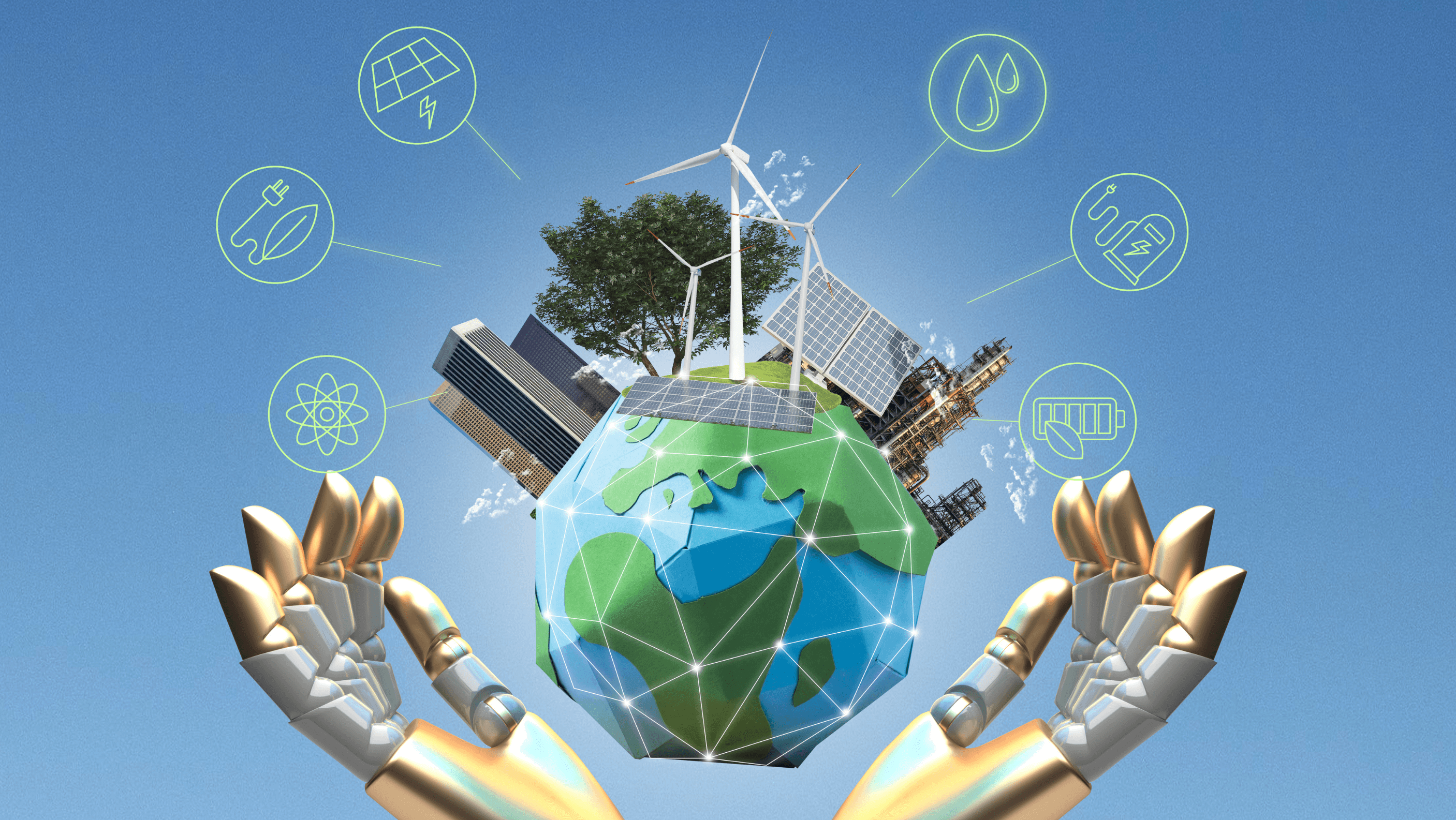
In the modern dynamic world, technology is transforming all aspects of learning, thoughts, and invention. With the introduction of Artificial Intelligence (AI), the educational paradigms have changed not only in different spheres but have also been radically transformed. Academic institutions across the globe are embracing new devices and teaching techniques to equip the students to a future that is highly affected by innovation and technological development.
We recognise that at Aditya Birla World Academy, education needs to change in accordance with these global changes. Being a leading IBDP school in Mumbai, we trust in the power of AI and Tech integration in nurturing substantive learning experiences. Similarly, our A-Level program integrates the use of digital tools and critical-thinking activities that enables students to work in technologically-intensive environments.
In this blog, we analyse the ways AI and technology are changing IBDP and A-Level education, the advantages of these changes, and the way ABWA can guarantee the student achieves academic and digital fluency.
The Role of Technology in Modern Education
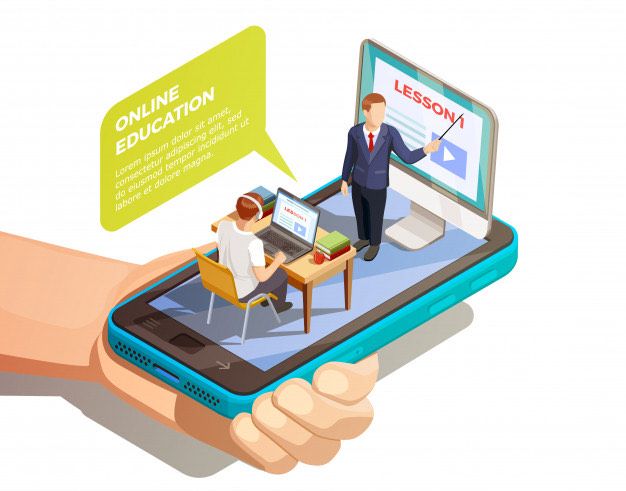
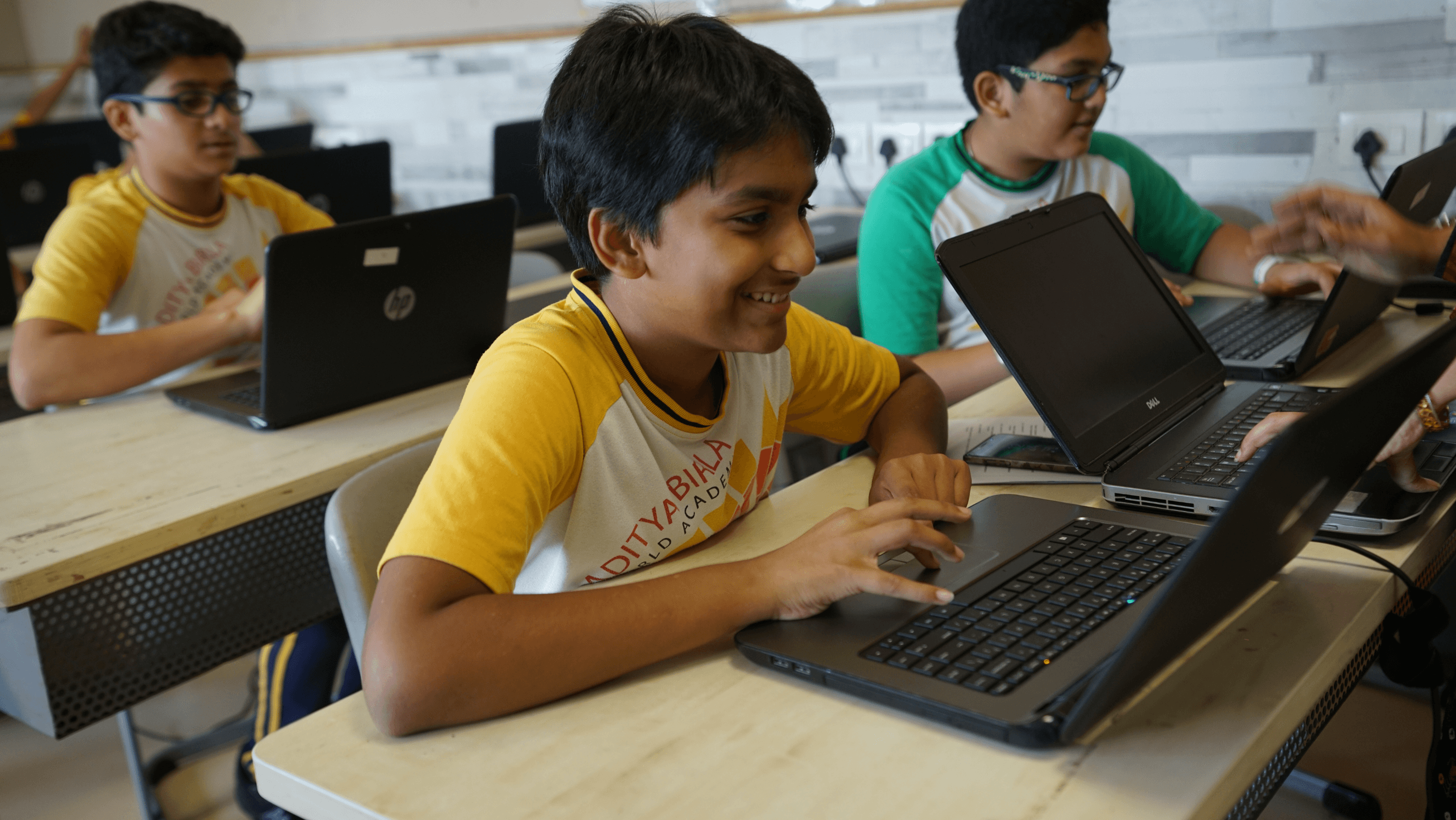
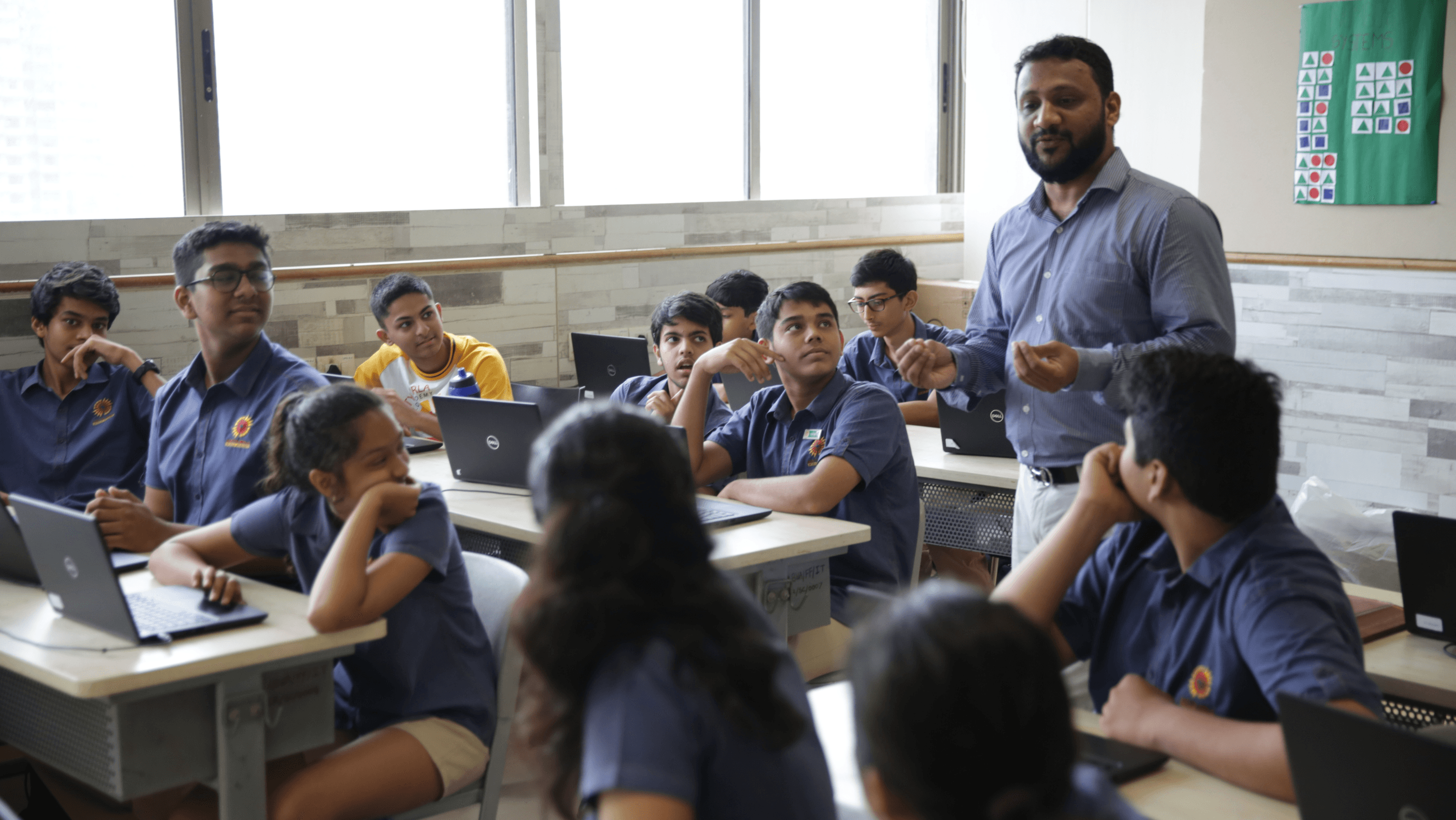
Technology has ceased to be an extracurricular support and moved to being an integral part of learning. Classrooms are no longer just a physical space in which students are placed to work together, do research and experiment with a vast amount of digital platforms.
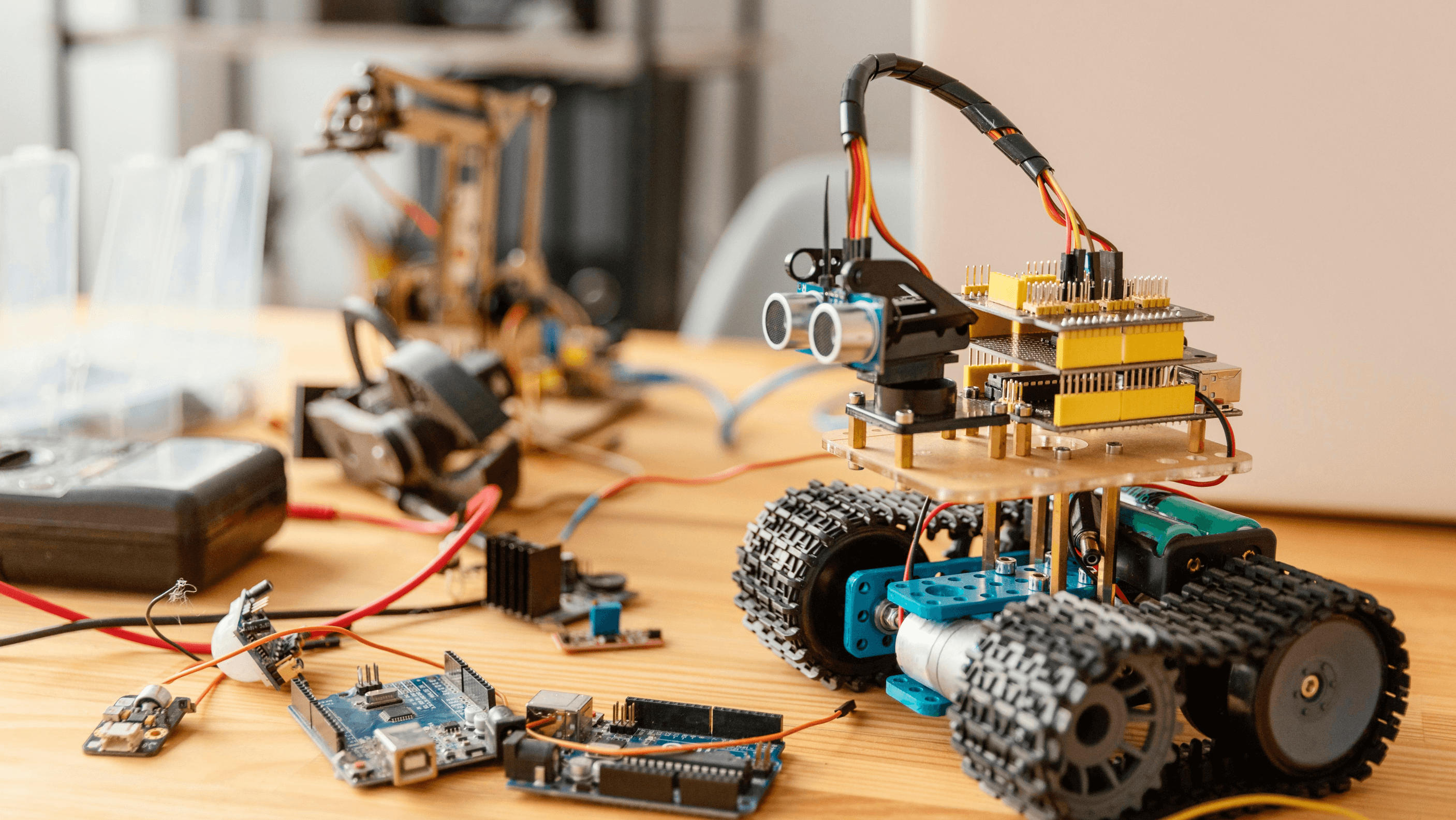
ABWA also has a methodology that is not limited to the execution of digital tools. We incorporate technology into the curriculum in order to enhance creativity, communication as well as collaboration. Students are taught to use technology in real-life, purposeful settings, whether in digital simulation as part of the sciences, in data analytics as part of economics, or in interactive presentation as part of the humanities.
Being an IBDP school in Mumbai, we are encouraging the students to think of technology as a stimulus to critical thinking and innovation. Such an attitude prepares students not only for tertiary education but also for leadership positions in the future shaped by AI and automation.
AI and Tech Integration in the IBDP Curriculum
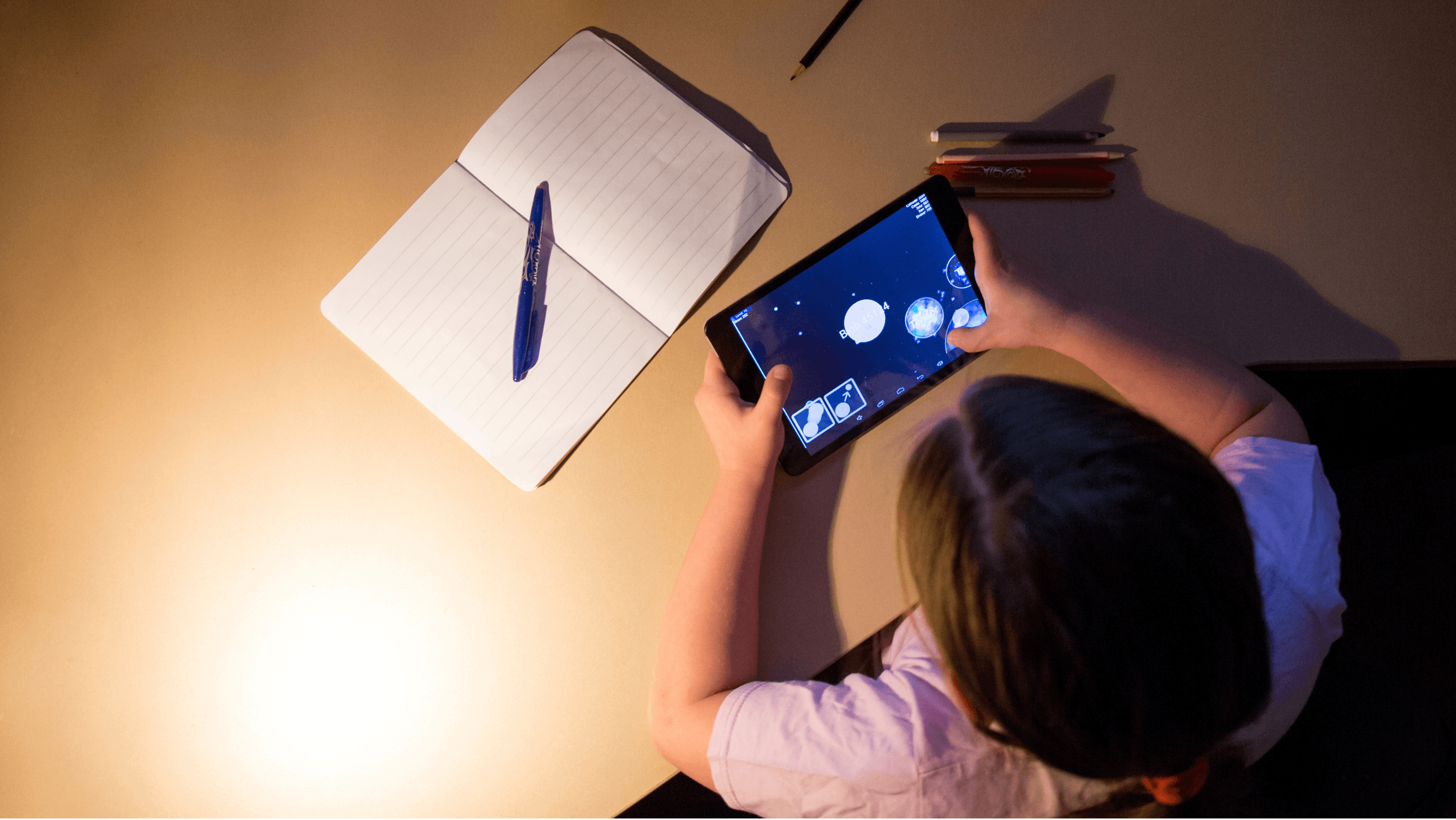
Inquiry, research, and global-mindedness are highly valued through the International Baccalaureate Diploma Programme, which perfectly aligns with both AI and tech integration. Artificial intelligence is also used to personalise learning, track progress, and provide real-time feedback, which further strengthens the knowledge of complex topics by students.
As an example, AI-powered solutions can identify problematic areas and suggest custom resources to support the enhancement. These types of adaptive learning modalities enable the teacher to spend more time in developing meaningful discussions and in leading rigorous inquiry.
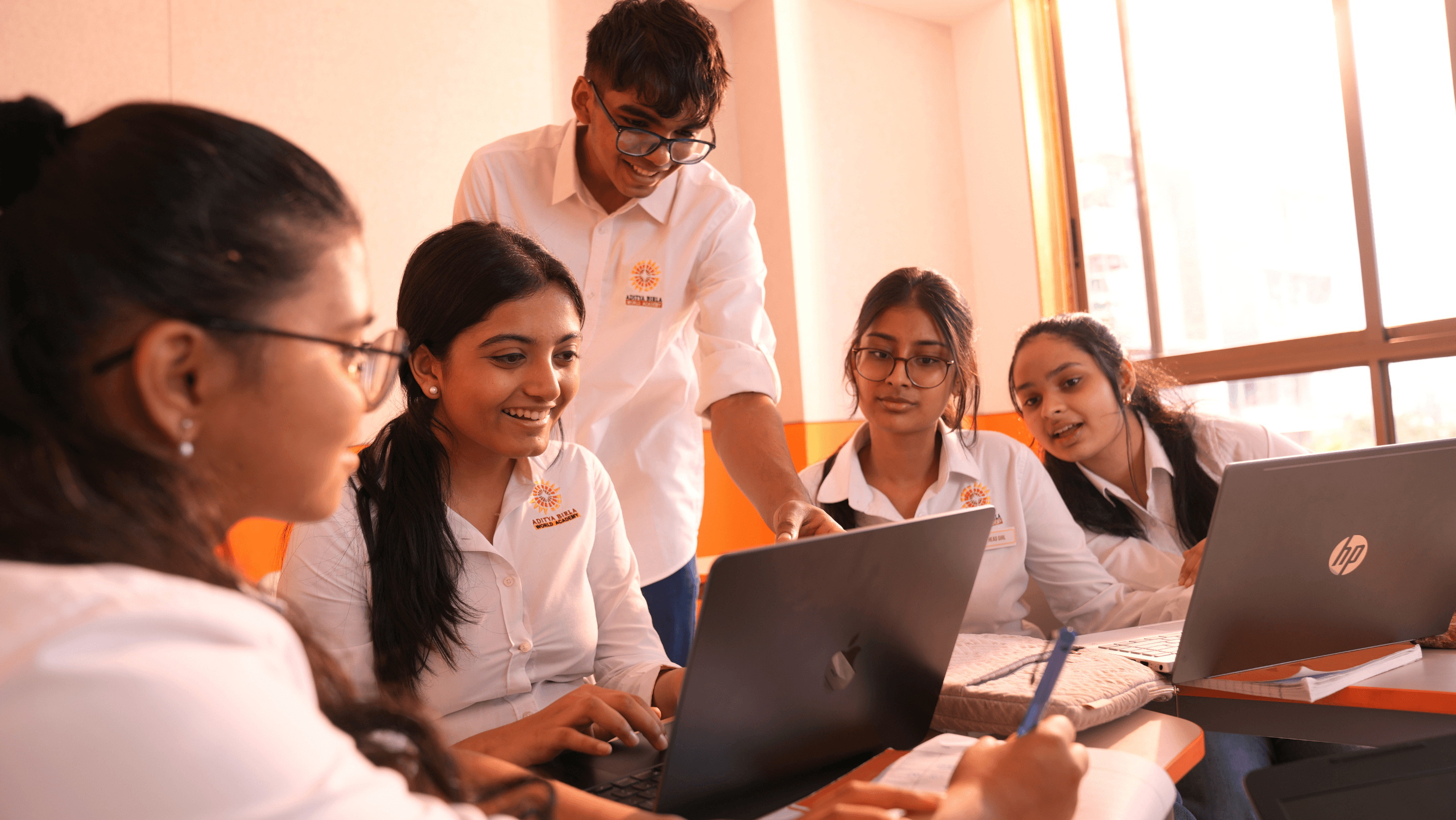
At ABWA, we also capitalise on online teamwork tools which allow students to share research work, work on projects and also connect with other students around the world. Through a purposeful use of technology, learners develop the necessary 21st-century skills, such as digital literacy, use of information ethically, and interpretation of data.
Being an IB Diploma Programme school in Mumbai, we consider AI to be a pedagogical partner, which improves creativity, elevates problem-solving, and allows each learner to go at his/her own unique pace without compromising academic rigor.
Enhancing the A-Level Experience with Technology
The A-Level curriculum is known to be full of academic rigor and specialization; therefore, integration of technology has much to offer to it. The students studying A-levels are immersed in the study of the topics that they are interested in, and technology supports this study by use of interactive applications, virtual laboratories, and research archives around the world.
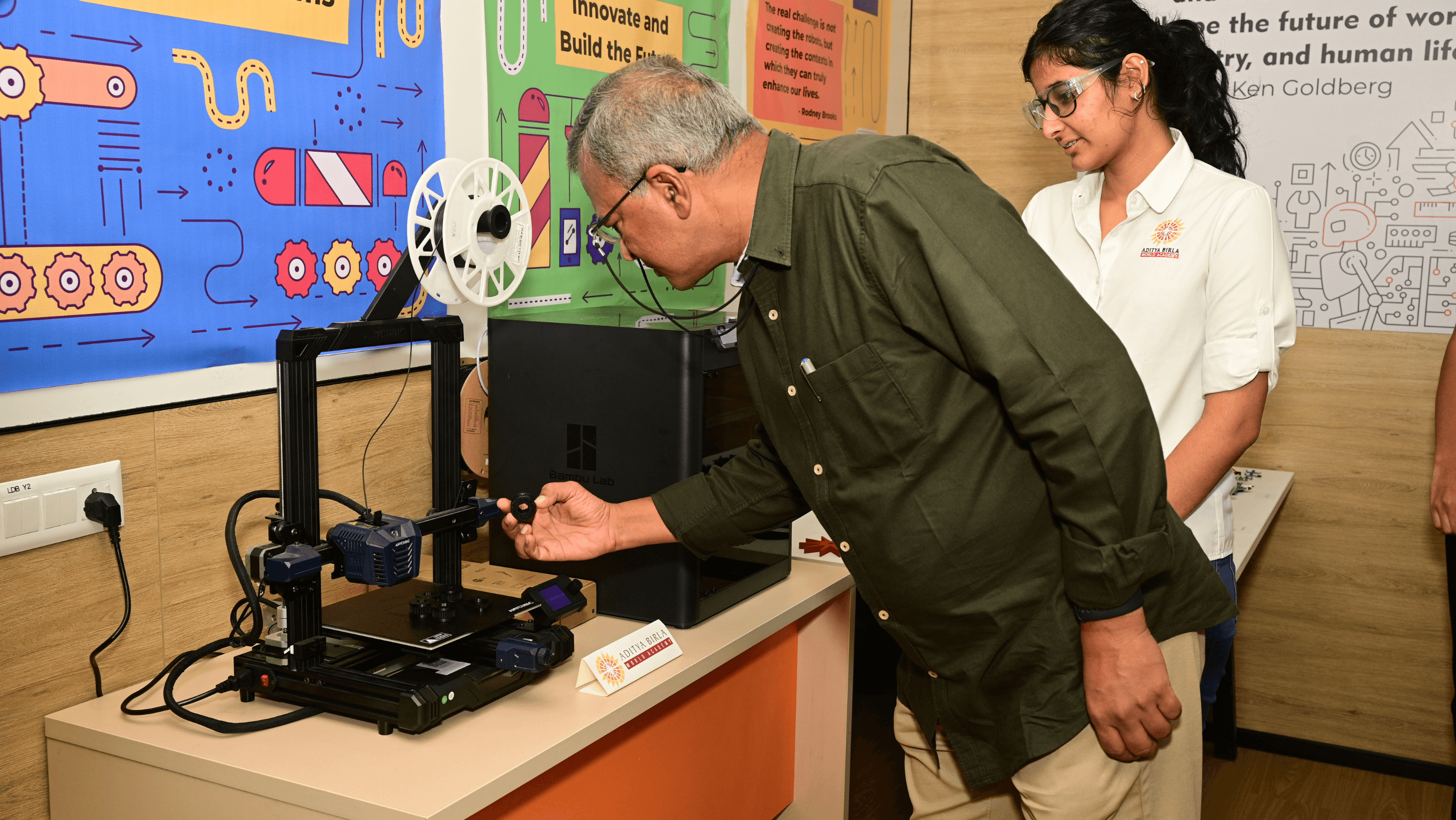
At ABWA, A-level students are using technology to explore the actual uses of their subjects in the real world. In the case of mathematical modelling software as well as digital design tools we make sure that students interlink theoretical with the practical experience. This is a strategy that strengthens the academic performer, besides providing confidence to continue to university level and future work life in the technology-oriented area.
Read More - IBDP Subject Selection Guide
Preparing Students for a Tech-Driven Future
Employees in future will need skills beyond traditional academic skills; they need to be creative, adaptable and technologically literate in order to succeed in future work.
Self-directed learning driven by AI is also possible: by learning to use AI in a responsible manner, i.e., by doing research, finding solutions, or proving or refuting hypotheses, the students develop independence and intellectual curiosity. These qualities are invaluable in academics as well as professional environments.
As more industries will rely on automation and data-driven decision-making, students with the capacity to utilise technology critically and creatively will be able to stand out. This is what the ABWA curriculum helps create at the earliest stages of learning.
Ethical Use of AI and Technology
As the role of AI in education grows, understanding the ethical aspects of AI has also become important. Students should be taught to use technology in a responsible manner that does not violate privacy and authenticity.
In ABWA, the topic of digital ethics is incorporated into the classroom work. Students analyse case studies on data security, plagiarism, and the social influence of AI, thus gaining awareness and responsibility.
As an IBDP school in Mumbai, the school focuses on the fact that technology must not replace human intelligence but just enhance it. It motivates the learners to critically assess how AI can be used to address real-world issues without ethical compromise and a lack of empathy.
Empowering Teachers Through AI and Technology
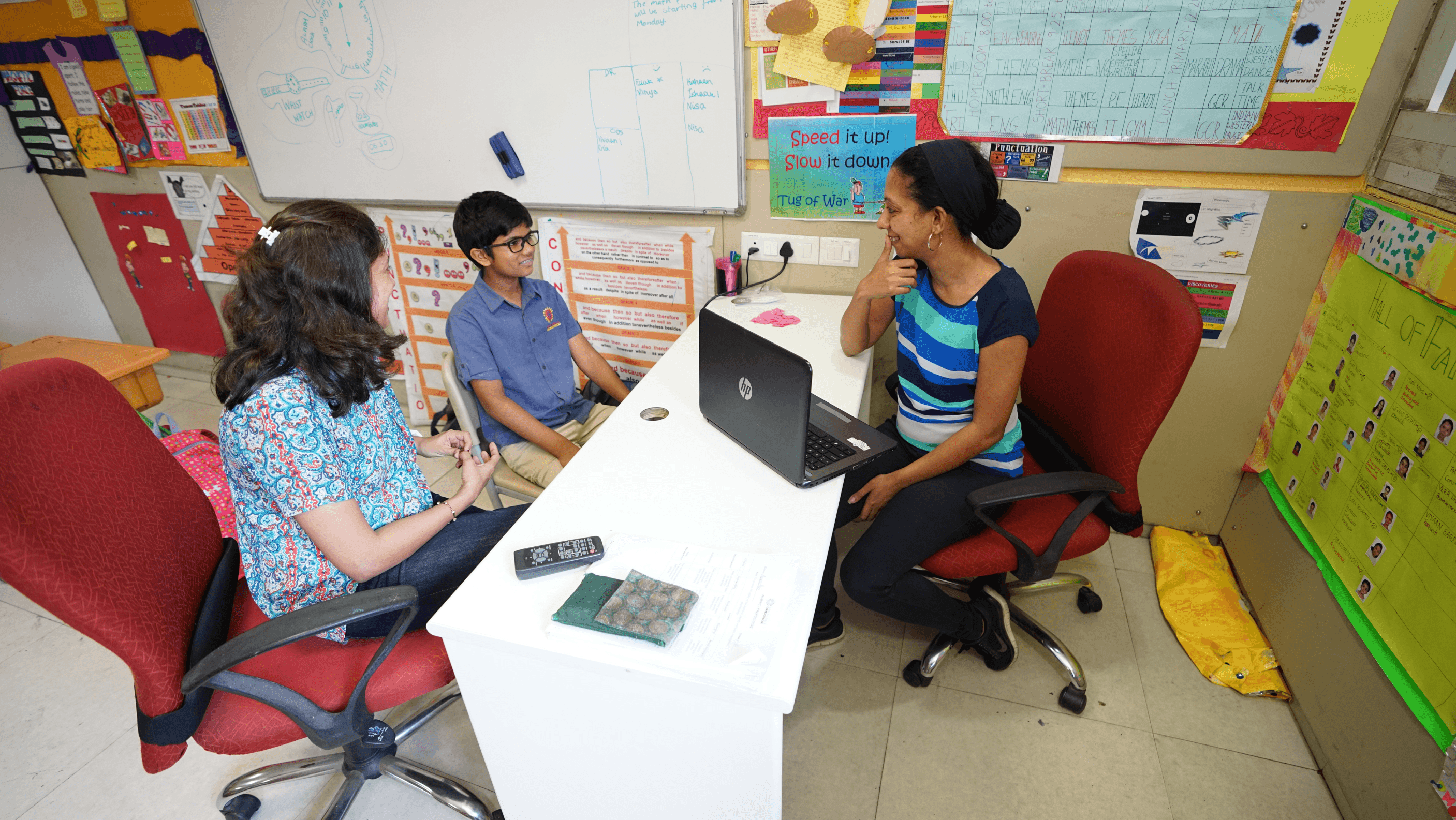
AI is not only reshaping learning for students, but it is also changing how teachers teach. AI tools help educators track student progress, give personalised feedback, and identify learning patterns that may not be noticeable otherwise.
In the A-Level program, the instructors are using digital tools to create their own interactive lessons. Such innovations make the process of learning livelier. The collaboration between teaching and technology at ABWA provides a healthy learning atmosphere, which takes into account both innovation and personal rapport.
Encouraging Collaboration and Creativity
One of the most important results of AI and Tech integration is the improvement of cooperation and innovation. Students are not working on their own anymore; they are working on common projects through online platforms, sharing their ideas with their peers worldwide, and creating digital work that testifies to their knowledge.
Students at both the IBDP and A-Level programs do interdisciplinary projects that combine technology with creativity. For example, they can use AI to study climate data, create a digital art exhibition, or create business plans with the help of analysis tools.
ABWA believes that teamwork is the key to learning. By working together through tech, students develop empathy, teamwork, and problem-solving abilities.
Conclusion
Technology and artificial intelligence are radically reinventing the educational environment, providing new ways of thinking, asking, and relating. This is not only a critical problem that is associated with the usage of digital tools, but also the intentional and pedagogically grounded incorporation of tools into curricula. In Aditya Birla World Academy, an IBDP school in Mumbai, we have been firm in our efforts to empower students to be innovative. The A-Level and IBDP programs use digital resources to develop curiosity, independence, and creativity, which are the keys to success in the modern environment. In an ever-changing field of education, our overall goal remains the same: to produce confident, caring, and competent students who will become leaders in a knowledge-driven technological world of the future. By careful AI and Tech integration, we are not merely moulding students but creating visionary humans who will change society.